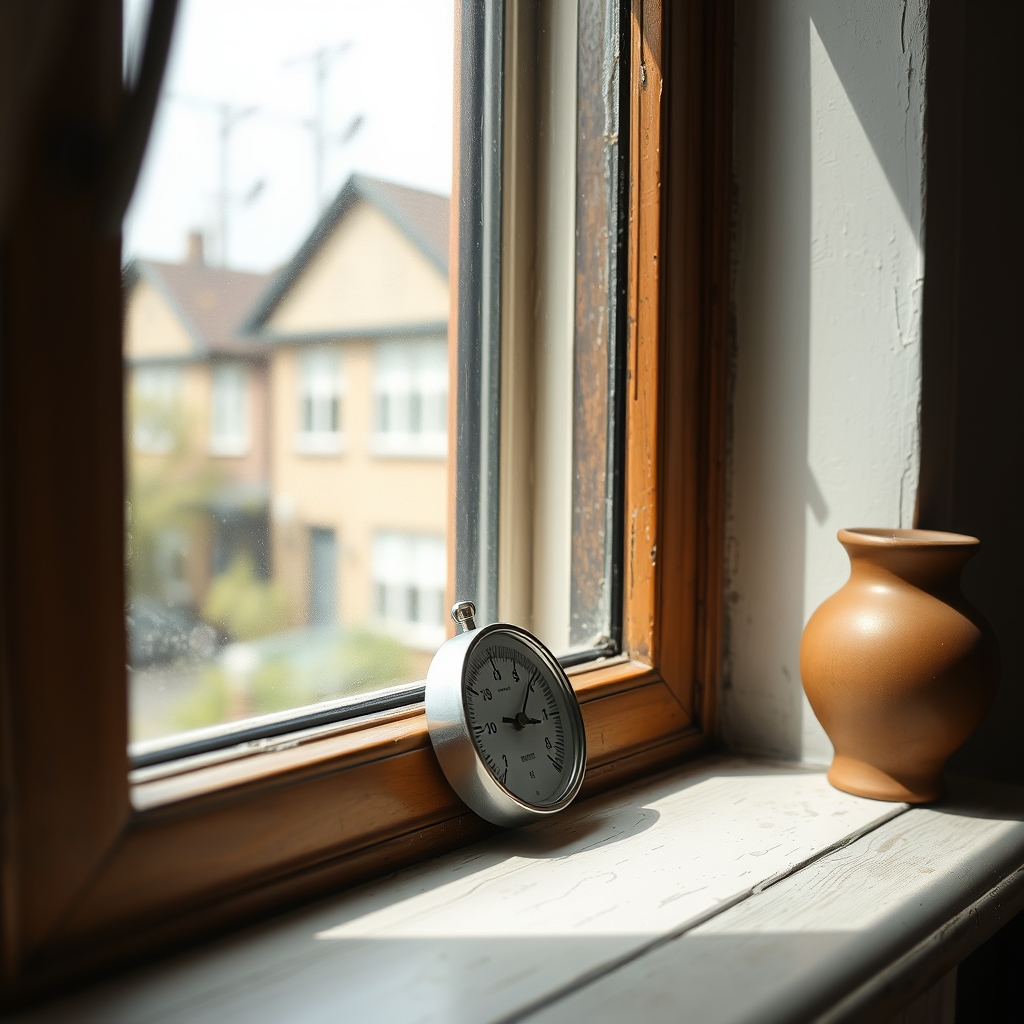
Where moisture shows up first
Condensation often appears on the coldest glass, the back of a wardrobe or a wall behind furniture. These places are useful signals because they reveal where warm air is cooling before it escapes.
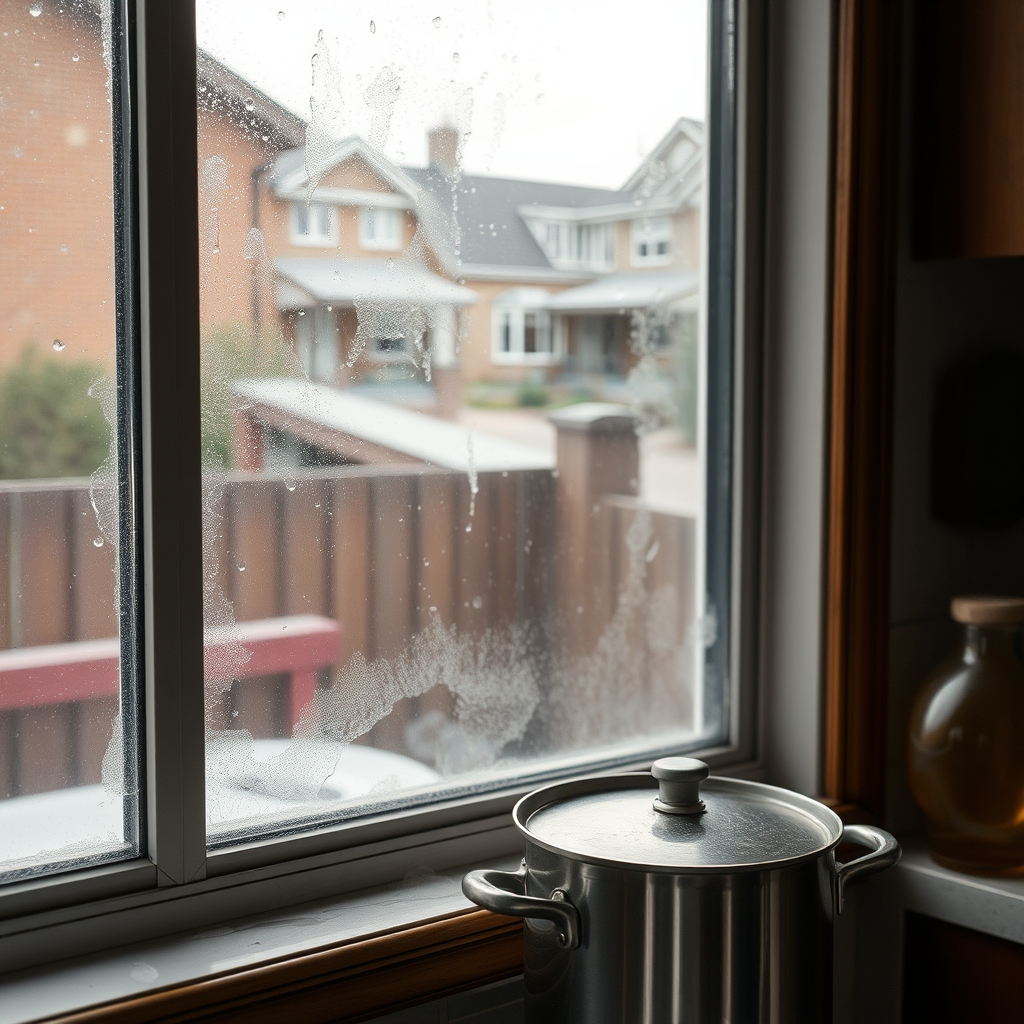
Measure rather than guess
A simple hygrometer gives a reading that can be compared over a week. Relative humidity rises with temperature changes, so take notes at the same time of day and in the same room.
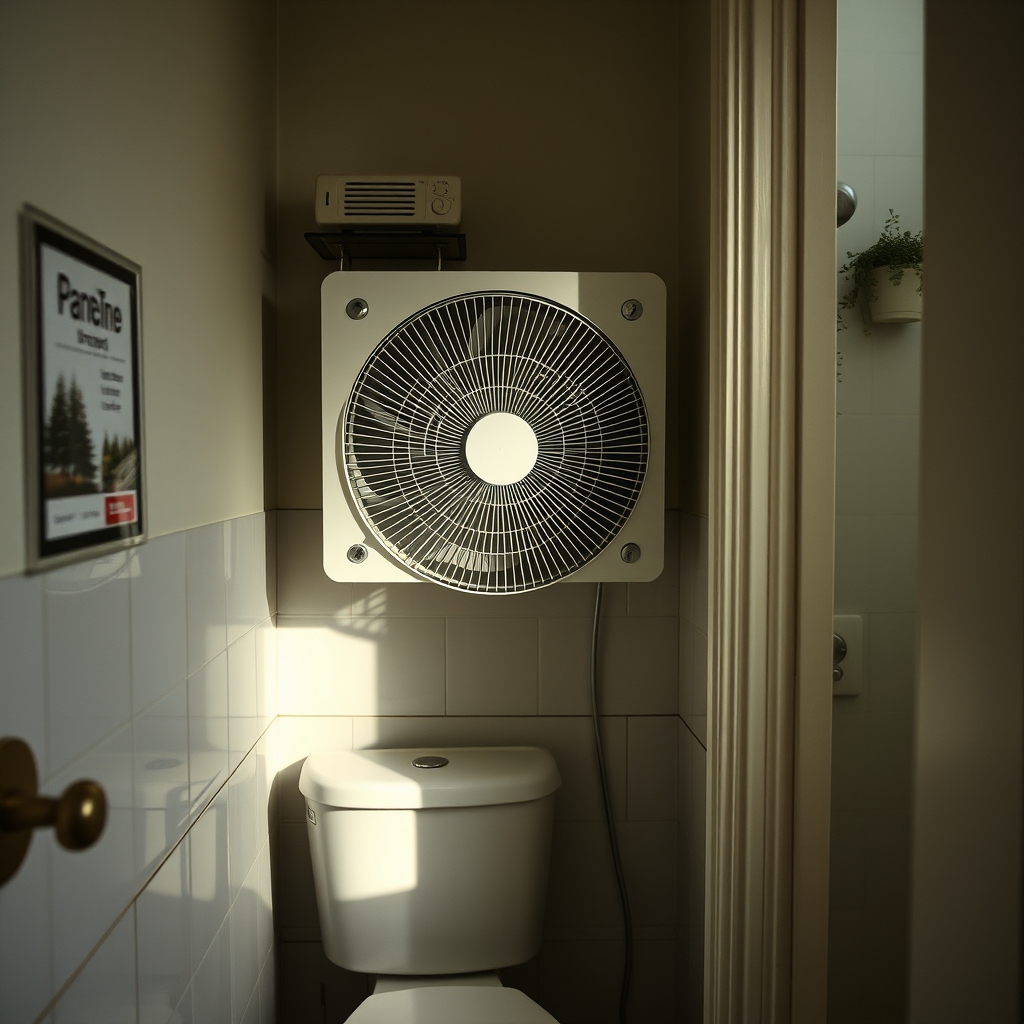
Ventilation is a daily habit
Extract fans work best during and shortly after cooking or bathing, not only when a room feels wet. Keep doors closed enough for the fan to pull moisture from the right room.
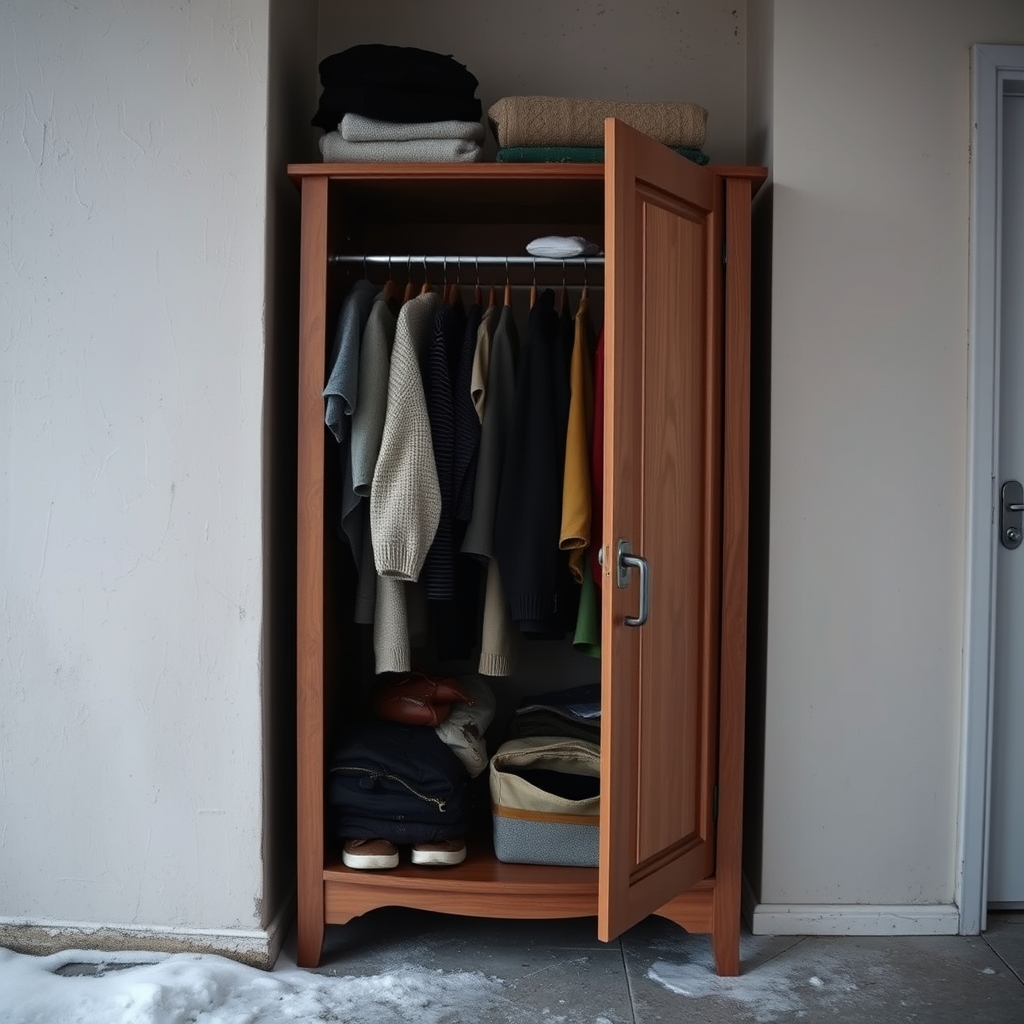
Furniture placement matters
A wardrobe pressed against a cold outside wall can trap moisture and hide mould. A small gap behind large furniture allows air to move and makes the problem visible earlier.

Know when it is not condensation
Rising damp, a leaking pipe and a failing roof all need a different response. If a mark keeps growing after ventilation improves, ask a qualified surveyor rather than painting over it.
A dry house is usually the result of small habits repeated in the right rooms.
Practical home maintenance reporting for local readers.
Questions or a correction? Contact us.