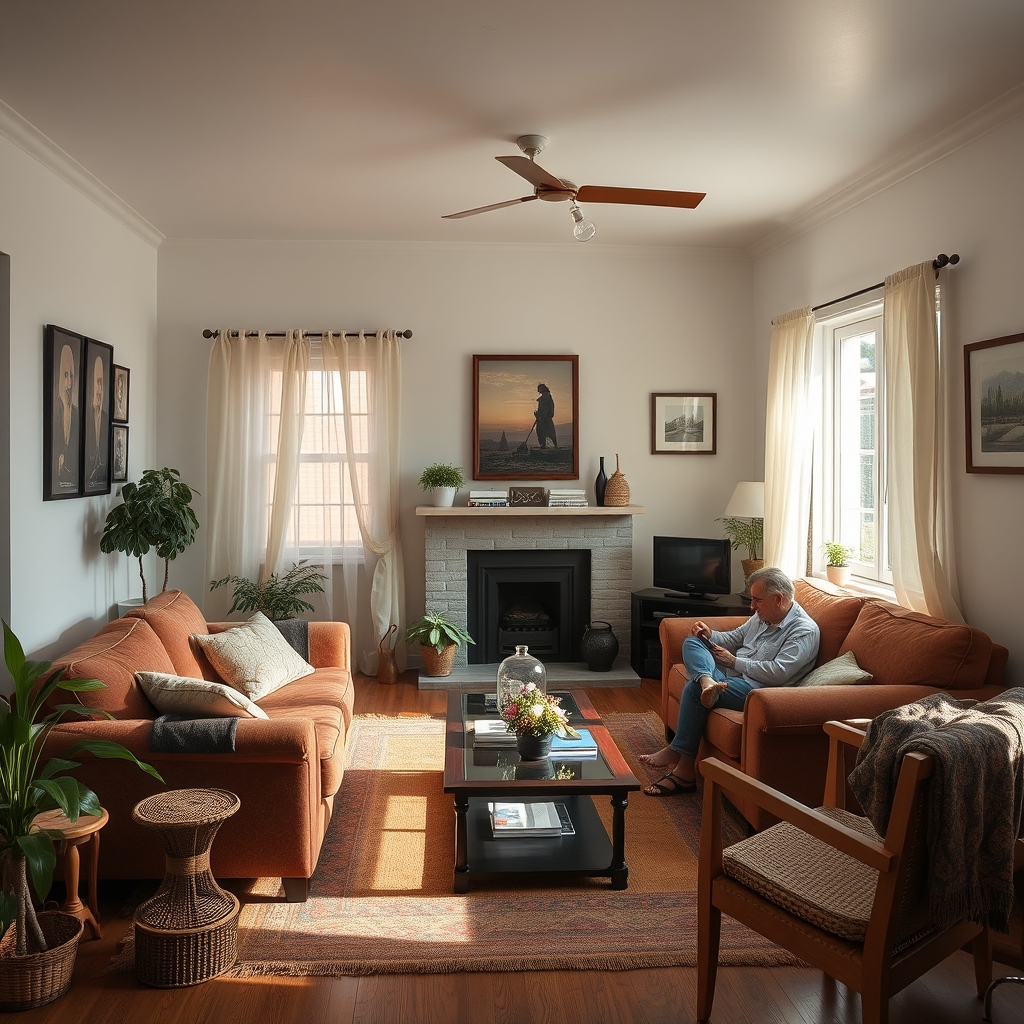
Start with the way people sit
A room arranged only around a television asks everyone to face one wall. Conversation-friendly layouts use two short sides of seating, a clear path through the middle and a table within reach of every seat.
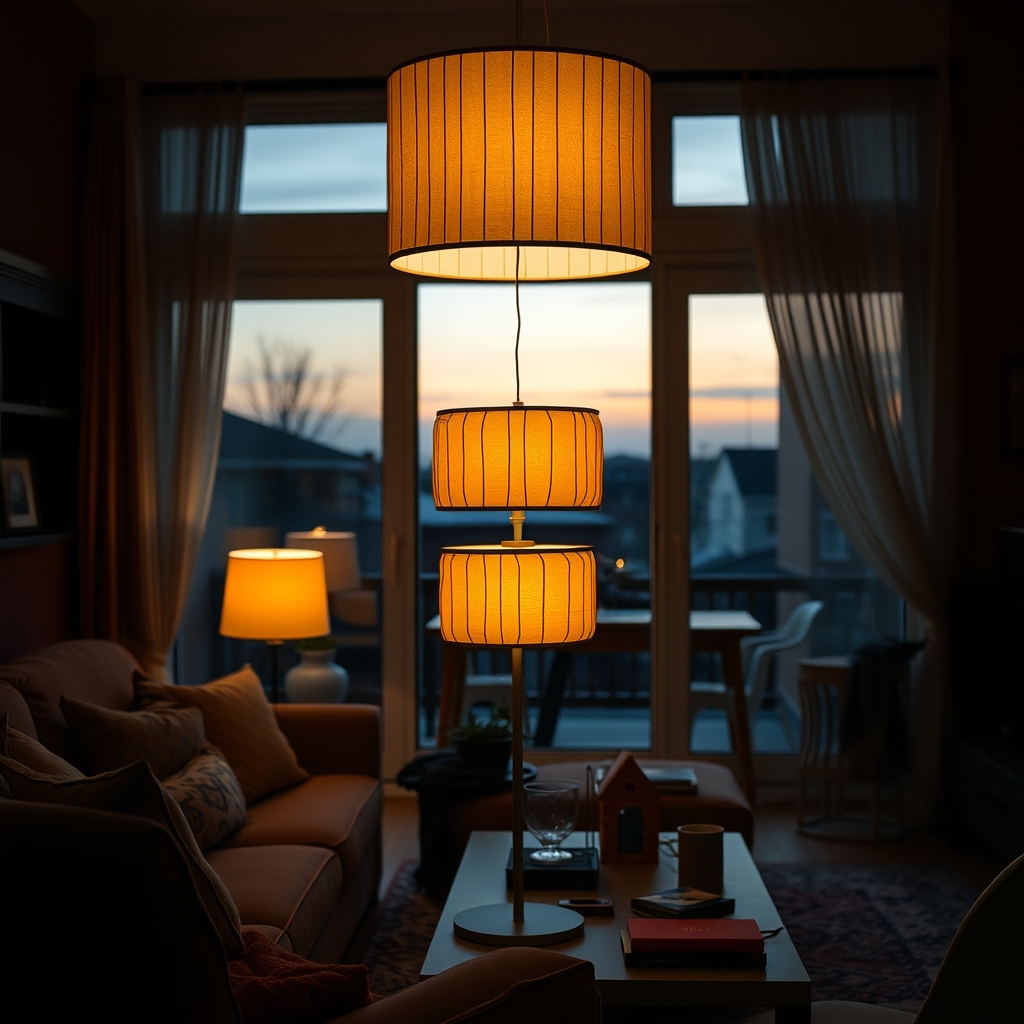
Use three layers of light
A single ceiling light flattens a room. Ambient light, a task lamp near a chair and a low-level lamp beside the seating make the same furniture feel warmer and more flexible.
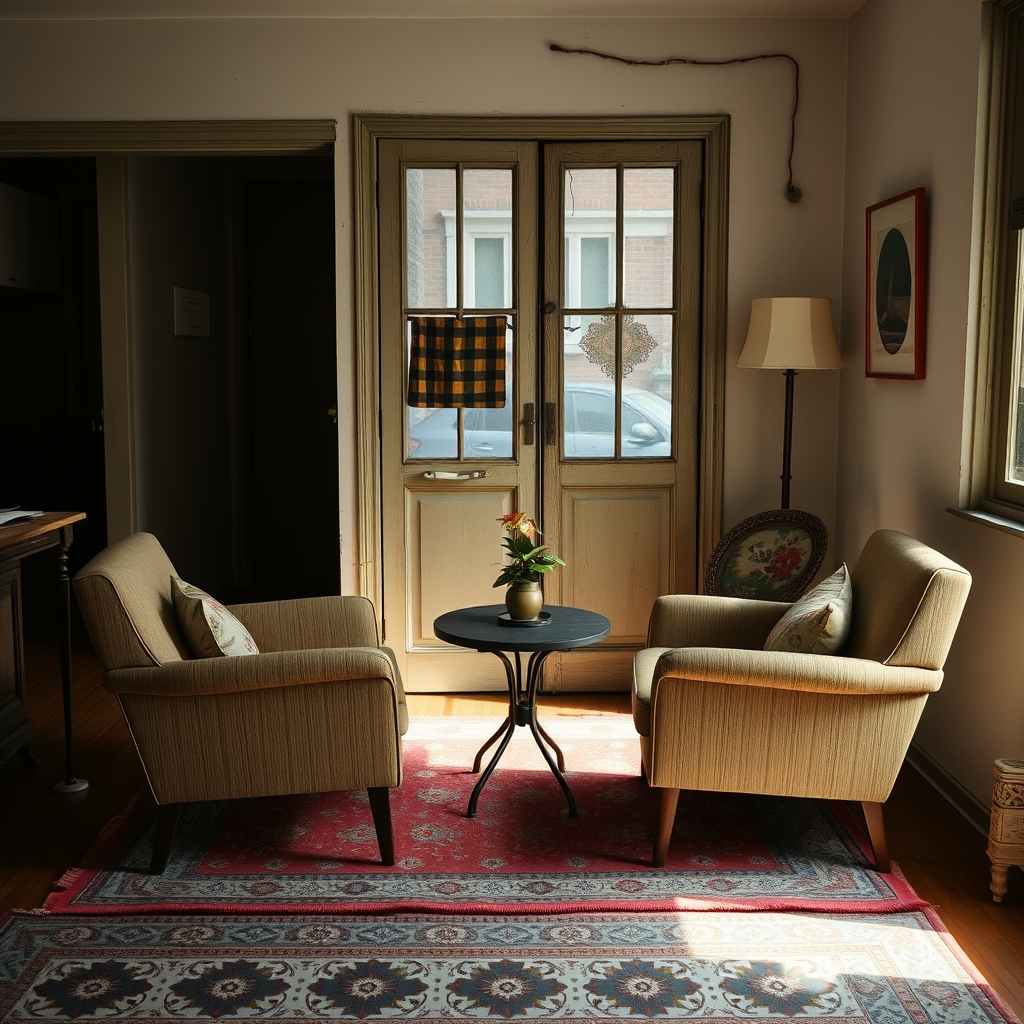
Keep the first view gentle
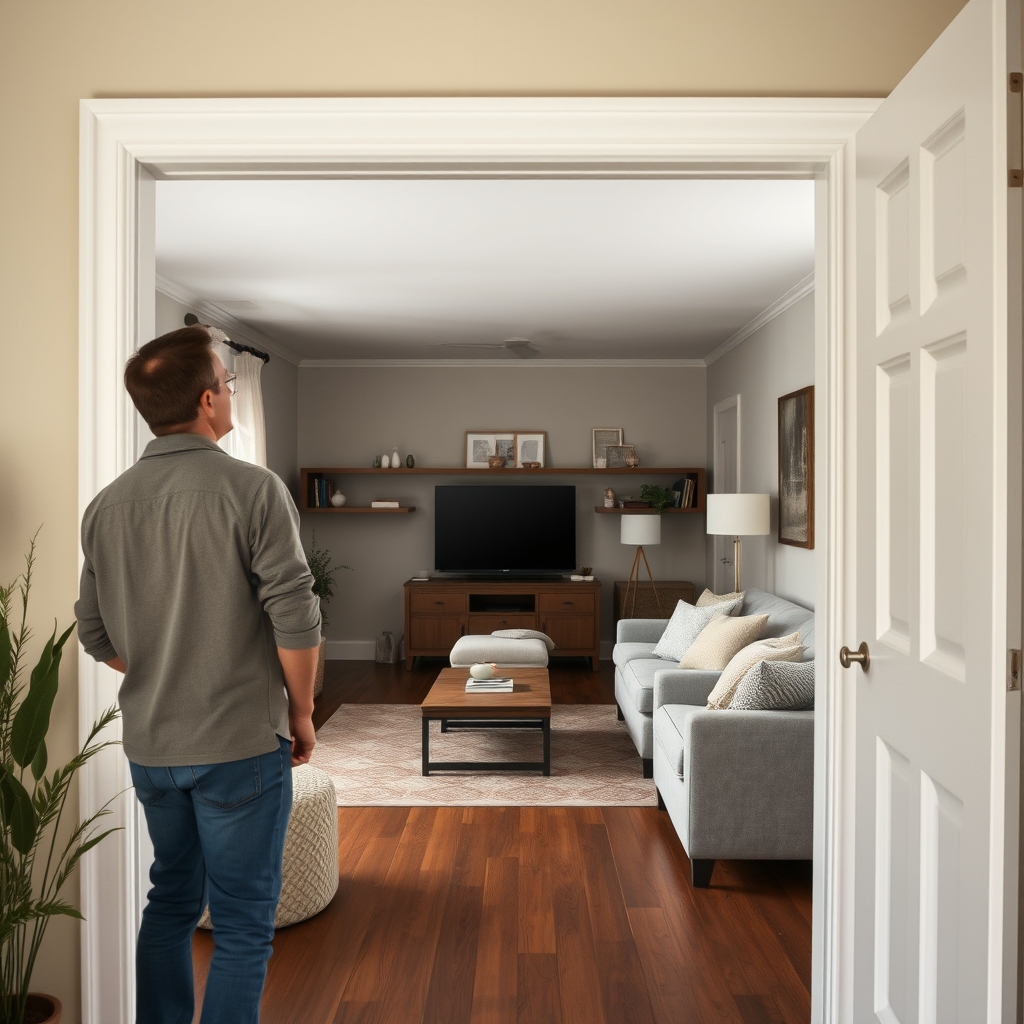
The first thing a visitor sees from the doorway sets the tone of the room. A clear route, a visible lamp and one considered object usually do more than a full wall of shelves.
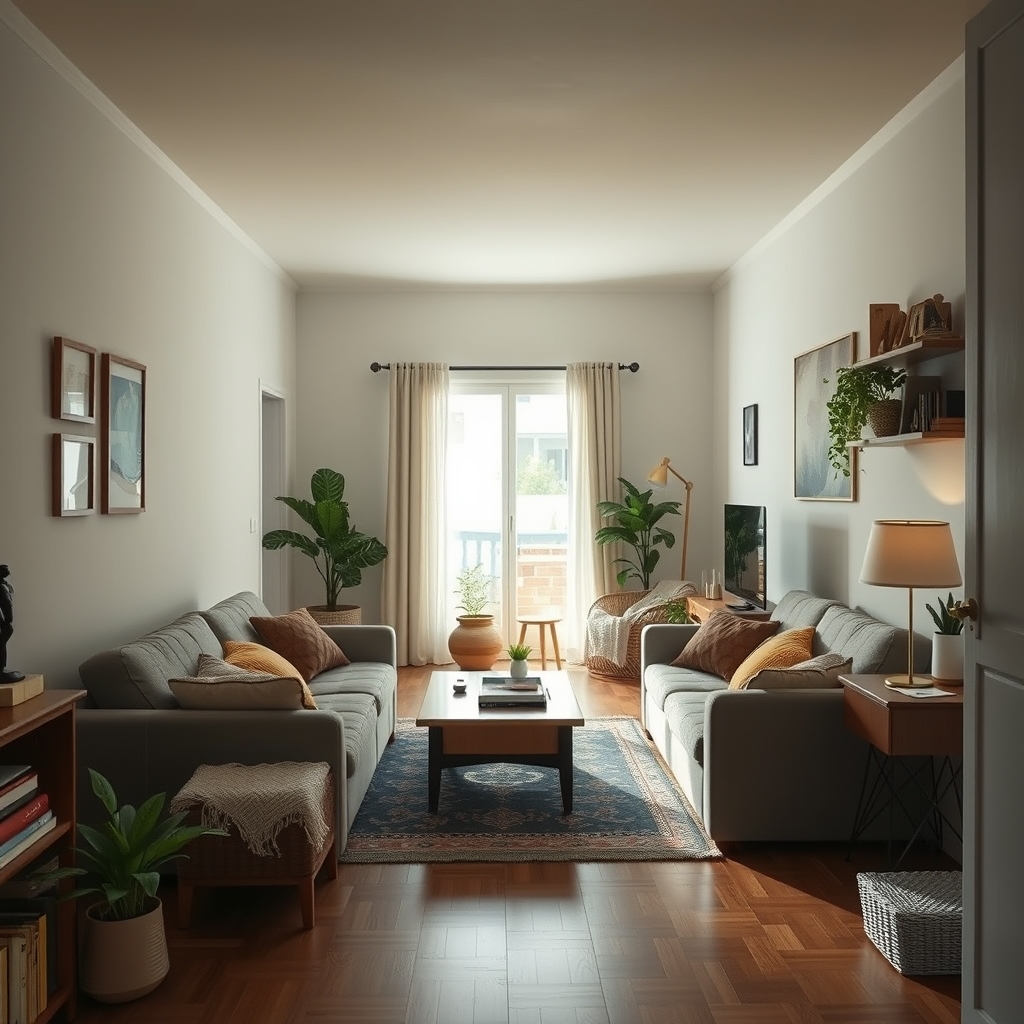
Choose a rug that fixes the group
A rug under the front legs of the seating anchors the conversation area without making the room feel like a showroom. Leave enough bare floor around it for the room to breathe.
Test the room at night
Visit the finished arrangement after dark and sit in every chair. If one seat cannot see the others or reaches no light, the layout still has work to do.
A living room succeeds when nobody has to turn their whole body to join the conversation.
Practical interior design reporting for local readers.
Questions or a correction? Contact us.