
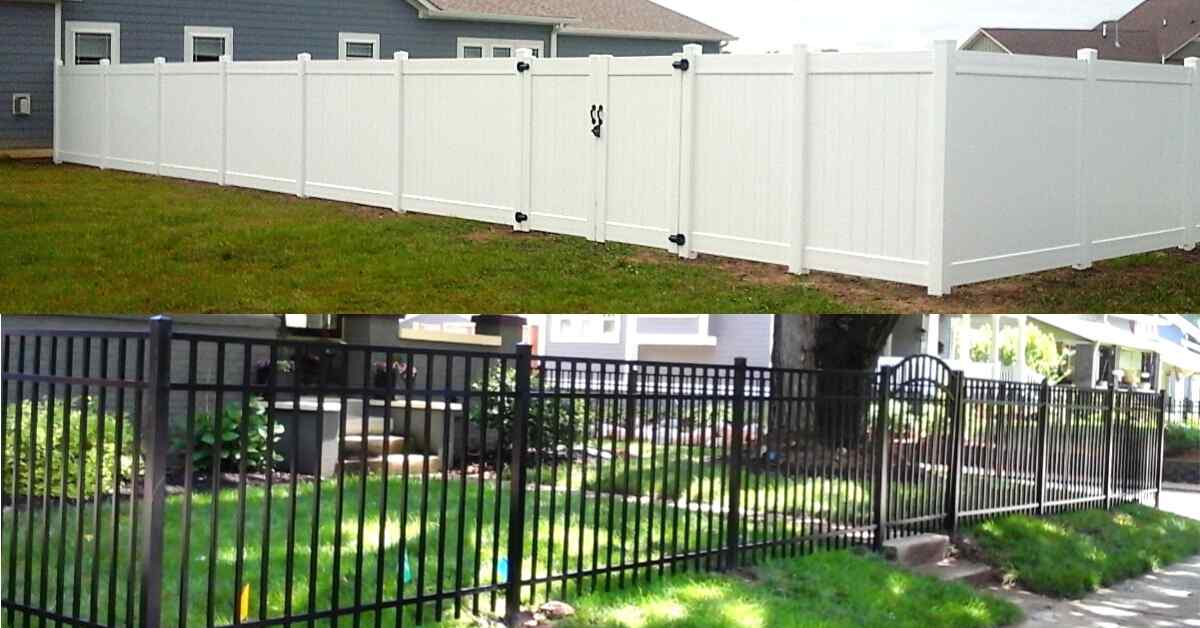
When homeowners are choosing a fencing option, one of the most critical factors they consider is longevity. Two popular low-maintenance choices on the market are the aluminum fence and the vinyl fence. Both are known for their durability, clean appearance, and low upkeep, but when it comes to long-term performance, which one really stands the test of time?
Let’s break down the key elements that determine the lifespan of each fencing type — including durability, resistance to weather and pests, maintenance needs, and overall structural integrity — to help you decide whether an aluminum fence or a vinyl fence is the smarter long-term investment.
Material Composition and Durability
Aluminum fences are made from rust-resistant metal, often coated with a protective powder finish that enhances their durability. Unlike traditional iron fences, aluminum won’t rust, rot, or degrade over time. It’s also a non-ferrous metal, which means it doesn’t corrode easily, making it ideal for both dry and humid environments.
On the other hand, vinyl fences are made from PVC (polyvinyl chloride), a type of plastic known for its flexibility and resistance to moisture. Vinyl won’t rot, warp, or attract termites like wood. However, it can become brittle and crack over time when exposed to extreme temperatures or direct sunlight for years.
Verdict: While both materials are durable, aluminum fences tend to maintain their strength and appearance longer, especially in harsh climates.
Weather Resistance
Climate plays a significant role in how well a fence holds up over time.
Aluminum fences are highly weather-resistant. They perform well in rain, snow, and sun. Thanks to their powder-coated finish, they don’t peel, flake, or fade easily. They can also withstand temperature fluctuations without expanding, contracting, or cracking.
Vinyl fences, while moisture-resistant, are more vulnerable to temperature extremes. In very cold weather, they can become brittle and more prone to cracking if struck or under pressure. In hot climates, prolonged exposure to sunlight can cause fading or slight warping unless UV stabilizers are used during manufacturing.
Verdict: Aluminum fences win again due to their superior performance in a wide range of climates.
Maintenance and Upkeep
When it comes to maintenance, both options are far better than traditional wood fences.
An aluminum fence requires very little maintenance — just the occasional rinse with water to remove dirt and debris. The powder coating provides years of protection against oxidation and discoloration, and you’ll rarely have to worry about repainting or refinishing.
Vinyl fences are also low-maintenance. They’re easy to clean with soap and water, and they don’t need painting or sealing. However, vinyl can accumulate mold or algae in damp conditions, requiring more frequent cleaning in shaded or wet areas.
Verdict: Both are easy to maintain, but aluminum fences edge out slightly due to their resistance to mold and mildew.
Structural Longevity
When investing in a fence, you want a structure that stands strong for decades.
Aluminum fences are known for their rigid structure and long-lasting design. They don’t sag over time, and they’re strong enough to withstand minor impacts without bending or breaking. With proper installation and minimal care, an aluminum fence can last 40 years or more.
Vinyl fences, while flexible, may not have the same long-term structural strength. They can crack or break under pressure — for example, from fallen tree limbs or from being struck by a lawnmower. Their typical lifespan ranges from 20 to 30 years, depending on environmental conditions and quality.
Verdict: If lifespan is your main concern, an aluminum fence clearly outlasts vinyl.
Cost vs. Longevity Trade-Off
While vinyl fences are often slightly more affordable to install upfront, the long-term value of an aluminum fence is superior. Its extended lifespan, combined with minimal maintenance and repair needs, means you’ll spend less money over time. Vinyl may need partial replacements or extra upkeep after a few decades, especially in harsh environments.
Aesthetic Longevity
Lastly, consider how well each fence maintains its appearance over the years.
Aluminum fences offer a sleek, timeless look that doesn’t fade or discolor easily. They retain their style for decades without looking outdated or worn out.
Vinyl fences, while clean and modern-looking at first, may yellow or fade over time if not treated with UV inhibitors. Once the damage is done, it’s difficult to restore vinyl to its original look.
Verdict: Aluminum fence wins for lasting beauty.
Conclusion: Which Fence Lasts Longer?
While both fence types have their merits, the aluminum fence is the clear winner when it comes to long-term durability, structural strength, weather resistance, and aesthetic longevity. If you’re looking for a fencing option that will endure the test of time with minimal upkeep, aluminum is the superior investment.
Whether you’re securing your backyard, defining property lines, or enhancing curb appeal, an aluminum fence offers unmatched durability and long-term value — making it the ideal choice for homeowners focused on performance and peace of mind.
About the Author


