

# Reimagine Your Space: Where Home Design Meets Personal Storytelling
Your home should tell your story, not just fill space.
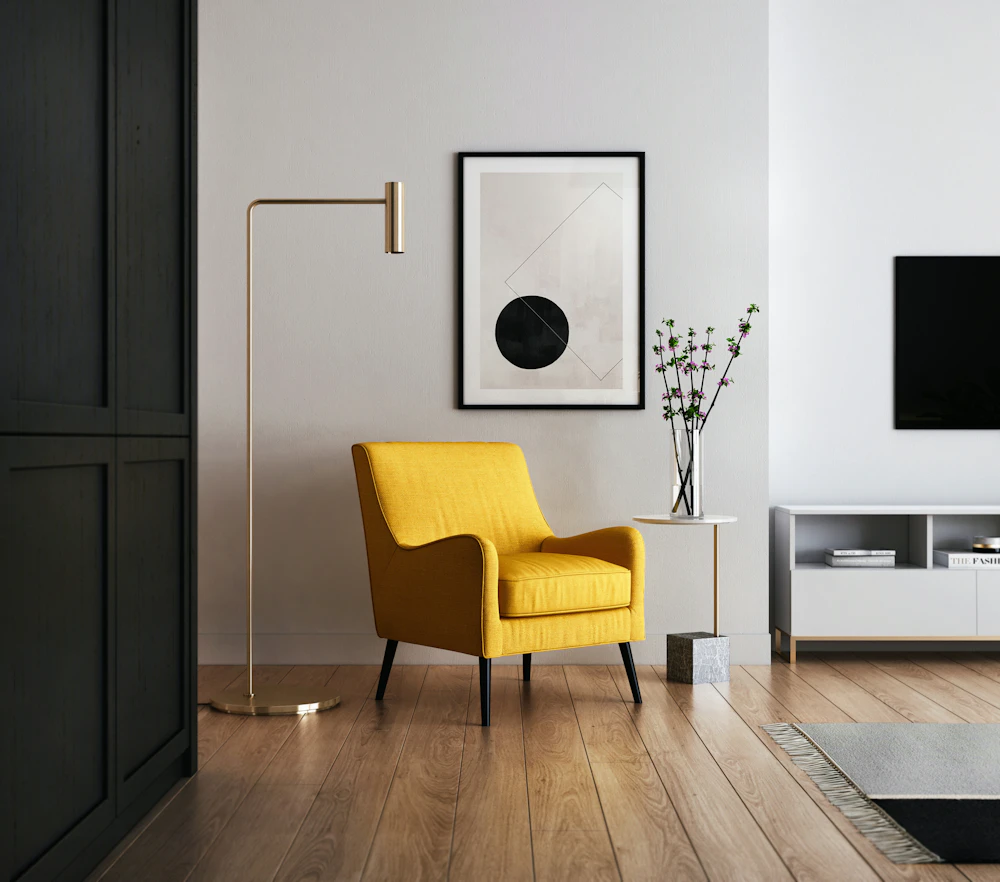
Your home is more than just walls, furniture, and four corners—it’s a living canvas where your memories, passions, and identity take shape. When you reimagine your space with intention, you’re not just designing a room; you’re curating a narrative. This is where home design transcends aesthetics and becomes personal storytelling. Every item you choose, every color you select, and every arrangement you make can reflect who you are, what you love, and the life you want to live. In this guide, we’ll explore how to blend thoughtful design with meaningful storytelling to create a home that feels uniquely yours.
—
## Why Your Home Should Tell Your Story
A house can be beautiful, but a home tells a story. Think about the spaces that feel most alive to you—perhaps it’s the cluttered bookshelf that holds a lifetime of reading, or the gallery wall of photographs that captures your favorite moments. These details aren’t just decorative; they’re chapters in your personal narrative.
When your home reflects your story, it becomes a source of comfort, inspiration, and connection. It’s a place where your past, present, and future coexist. For example, a vintage record player on display isn’t just a piece of furniture; it’s a nod to your love of music. A travel souvenir isn’t just an object; it’s a reminder of an adventure that shaped you. By intentionally integrating these elements into your design, you create a space that feels authentic and deeply meaningful.
—
## The Art of Intentional Design: How to Begin
Reimagining your space starts with a simple question: *What does home mean to me?* The answer is deeply personal, and it will guide every decision you make. Whether you’re moving into a new place or refreshing an existing one, begin by taking inventory of your life—your hobbies, your travels, your values, and even your quirks.
Here’s how to approach it:
- Reflect on your journey: What moments, people, or experiences have defined you? These could be milestones like graduation, a cross-country move, or a hobby you’ve nurtured for years.
- Identify your core values: Do you value sustainability, creativity, family, or solitude? Your values can influence everything from the materials you choose to the layout of your space.
- Consider your daily rituals: How do you start your morning? Where do you unwind in the evening? Designing around these habits ensures your space supports your lifestyle.
- Embrace imperfection: Not every item needs to be a masterpiece. Sometimes, the most meaningful pieces are the ones with stories—like a slightly worn chair passed down from your grandmother.
—
## Layering Memories: How to Incorporate Personal Storytelling
Your home should feel like a curated museum of your life—but without the sterile, impersonal vibe of a traditional exhibit. The key is to layer memories in a way that feels organic and intentional. Here’s how to do it:
### Start with the Foundations: Color and Texture
Your color palette and textures set the emotional tone of your space. Think about the mood you want to evoke:
- Warm and inviting: Earthy tones like terracotta, ochre, and sage green can create a cozy, welcoming atmosphere. Pair them with natural textures like linen, wool, or wood.
- Bold and vibrant: If your personality thrives on energy, consider deep blues, rich reds, or even neon accents. Use these colors in smaller doses to avoid overwhelming the space.
- Minimalist and serene: Soft neutrals like beige, cream, and gray paired with smooth surfaces can create a calming retreat. Add texture through woven baskets or a chunky knit throw.
Your choices here should reflect your personality. For instance, if you love the ocean, you might incorporate shades of blue and white, along with seashells or driftwood you’ve collected.
### Curate with Purpose: Furniture and Decor
Furniture isn’t just functional—it’s a reflection of your lifestyle. Consider these approaches:
- Heirlooms and vintage finds: A piece of furniture inherited from a loved one or a thrifted treasure can add depth and history to your space. Don’t shy away from mixing old and new.
- Custom pieces: Invest in furniture that serves both a practical and sentimental purpose. For example, a dining table made from reclaimed wood might remind you of a favorite hiking trail.
- Multifunctional items: If space is limited, choose pieces that tell a story while serving a dual purpose. A vintage trunk can double as a coffee table and storage for travel mementos.
### Displaying Your Story: The Power of Collections
Collections are one of the most powerful ways to infuse personality into your home. They can be anything—a shelf of vinyl records, a wall of postcards from your travels, or a display of vintage cameras. The key is to arrange them in a way that feels intentional, not cluttered.
Here are some ideas:
- Create a gallery wall: Mix framed photographs, artwork, and small objects like ticket stubs or pressed flowers. Arrange them in a grid or an organic, asymmetrical layout.
- Dedicate a shelf to a theme: Whether it’s pottery from your travels, books you’ve loved, or souvenirs from your childhood, a dedicated shelf can become a focal point.
- Use open shelving: Open shelves in the kitchen or living room are great for displaying dishware, plants, or small decorative objects that hold meaning.
- Incorporate tactile elements: Items like a quilt made by a family member or a rug from a place you’ve visited add layers of texture and history.
A well-curated shelf can tell a story at a glance.

—
## Designing for the Future: Evolving Your Story
Your home isn’t static—it should grow and change as you do. The best-designed spaces are those that allow room for evolution. Here’s how to future-proof your storytelling:
### Leave Room for New Chapters
- Flexible layouts: Choose furniture that can adapt to different needs. A sofa bed, for example, can serve as a guest bed or a cozy reading nook.
- Modular storage: Invest in storage solutions that can be rearranged or expanded, like cube shelves or modular cabinets.
- Blank canvases: Keep a few walls or surfaces neutral so you can add new pieces as your story evolves.
### Embrace the Process
Designing a home that tells your story isn’t about achieving perfection—it’s about embracing the process of discovery. Your space will evolve as you do, and that’s okay. Some of the most meaningful elements in your home might be unplanned, like a spontaneous art purchase or a gift from a friend.
### Involve Others (When It Feels Right)
Your home is a reflection of you, but it’s also a space where others feel welcome. If you live with family or roommates, consider incorporating elements that represent their stories as well. This could mean dedicating a wall to shared memories or mixing everyone’s favorite books on a communal shelf.
—
## Practical Tips for Getting Started
Ready to reimagine your space? Here’s a step-by-step guide to help you begin:
### Step 1: Declutter with Intention
Before you add anything new, take stock of what you already own. Ask yourself:
– Does this item bring me joy or serve a purpose?
– Does it hold sentimental value?
– Have I used or appreciated it in the past year?
If the answer to these questions is no, consider letting it go. This isn’t about minimalism for its own sake—it’s about making room for what truly matters.
### Step 2: Define Your Zones
Think about how you use each space in your home. Identify the primary functions of each room and design accordingly. For example:
– Your living room might be for relaxing and entertaining.
– Your home office could double as a creative studio.
– Your bedroom is your sanctuary for rest and reflection.
Assign each zone a theme or mood that aligns with its purpose.
### Step 3: Choose a Focal Point
Every room should have a focal point—a place that draws the eye and anchors the space. This could be:
– A statement piece of furniture, like a bold armchair or a vintage dresser.
– A piece of artwork or a gallery wall.
– An architectural feature, like a fireplace or a large window.
Once you’ve chosen your focal point, build the rest of the room around it.
### Step 4: Tell Your Story Through Small Details
It’s the small details that make a house feel like a home. Consider:
– The scent of your home: Candles, diffusers, or fresh flowers can evoke memories (e.g., a citrus scent might remind you of a favorite vacation spot).
– The textures you touch: A soft throw blanket, a rough-hewn wooden table, or a plush rug can create a sensory experience tied to your story.
– The sounds you hear: Whether it’s the hum of a record player or the crackling of a fireplace, sound can deepen your connection to your space.
### Step 5: Don’t Forget the Outdoors
Your home extends beyond your walls. If you have a balcony, patio, or garden, think about how you can incorporate elements that reflect your story. This could be:
– Plants that remind you of a special place, like eucalyptus (from a trip to California) or lavender (from a visit to Provence).
– Outdoor furniture that invites you to relax and reflect, like a hammock or a cozy seating area.
– Decorative elements like wind chimes, lanterns, or a fire pit that encourage you to spend time outside.
—
## Inspiration from Real Homes
Sometimes, seeing how others have woven storytelling into their spaces can spark ideas for your own home. Here are a few examples:
### The Writer’s Retreat
A novelist transformed her spare bedroom into a cozy writing nook. She lined the walls with vintage typewriters, stacks of notebooks from her travels, and a bulletin board filled with inspirational quotes and postcards from literary festivals she’s attended. The space isn’t just a place to write—it’s a celebration of her journey as a storyteller.
### The Globetrotter’s Apartment
A frequent traveler designed her apartment to feel like a passport to her adventures. She created a gallery wall of maps, pinned her favorite travel photographs, and displayed souvenirs like a Moroccan lantern, a Thai silk pillow, and a collection of seashells from her beach vacations. Each piece tells a story of a place she’s loved.
### The Minimalist with a Passion for Music
A lover of jazz and vinyl records turned her living room into a sanctuary for music. She installed floor-to-ceiling shelves to display her record collection, added a vintage turntable as a centerpiece, and hung framed album covers on the walls. The space isn’t just for listening to music—it’s a tribute to the artists and albums that have shaped her life.
—
## Overcoming Common Challenges
Reimagining your space isn’t always smooth sailing. Here are some common challenges and how to address them:
### Challenge 1: “I don’t know where to start.”
Solution: Start small. Pick one room or even one wall to focus on. Gather items you love and arrange them intuitively. You don’t need a grand plan—just a willingness to experiment.
### Challenge 2: “My space is small.”
Solution: Small spaces can be incredibly rich in storytelling. Use vertical storage, multifunctional furniture, and mirrors to create the illusion of more space. Focus on quality over quantity—each piece should have meaning.
### Challenge 3: “I live with others who have different tastes.”
Solution: Find common ground. Create shared zones where everyone’s preferences are represented, and carve out personal spaces where individual stories can shine.
### Challenge 4: “I’m worried it will look cluttered.”
Solution: Intentional clutter isn’t clutter—it’s curation. Group similar items together, use open shelving to display collections neatly, and edit regularly to keep the space feeling balanced.
—
## Final Thoughts: Your Home as a Living Storybook
Your home is a living, breathing entity—one that grows and changes as you do. By reimagining your space as a place of personal storytelling, you transform it from a static backdrop into a dynamic reflection of your life. Every object, color, and arrangement becomes a sentence in the story you’re telling, not just to yourself, but to anyone who steps inside.
Remember, there’s no right or wrong way to do this. The most meaningful spaces are the ones that feel authentic to you. So take your time, trust your instincts, and let your home evolve organically. After all, the best stories aren’t planned—they’re lived, and so is your home.
Now, grab a notebook, walk through your space, and ask yourself: *What story do I want to tell here?* The answer might surprise you.
About the Author


